Stretch mark treatment with the FRAX 1550 laser or radiofrequency
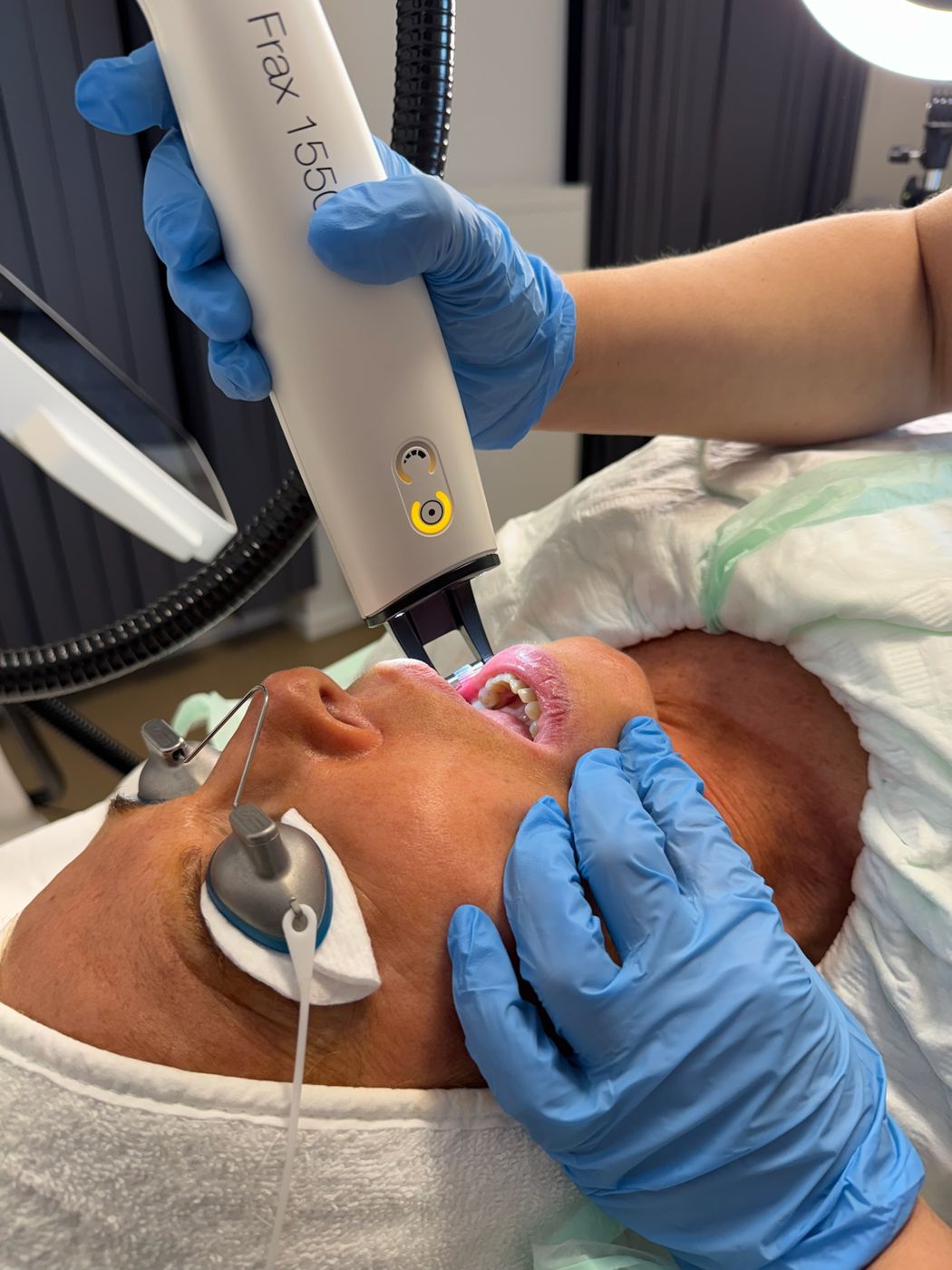
Stretch marks, recent (red or purple) or old (white), can be reduced with technologies chosen according to your skin type. After a medical analysis, the doctor chooses the technique best suited to your skin and the depth of the stretch marks: the Frax 1550 laser for deep and old stretch marks, or radiofrequency, to firm the skin and treat more superficial stretch marks.
This treatment always starts with a diagnostic consultation.

Areas
Breasts, Buttocks, Abdomen, Arms
Booking
After diagnostic consultation
Price
From €180
Stretch marks: can they disappear?
No, but they can be reduced. Recent stretch marks (red or purple) generally respond better than old ones (white). After a medical diagnosis, the doctor chooses the Frax 1550 laser or radiofrequency, depending on the depth of the stretch marks and your skin type, for the breasts, buttocks, abdomen or arms.
In brief
- Recent stretch marks (red or purple) or old ones (white): the recent ones generally respond better.
- Two techniques: the Frax 1550 laser (fractional, non-ablative) or radiofrequency.
- Technique and settings adapted to your skin type; higher risk of temporary dark marks on olive or dark skin.
- Areas: breasts, buttocks, abdomen, arms.
- Medical consultation is mandatory before any treatment.
What we do not promise: the complete disappearance of stretch marks. They can fade, and the result varies with their age and your skin.
Want to know whether this treatment suits you?Plan my consultation
A mandatory prior consultation
Before any treatment, a consultation is needed to assess your eligibility. It allows our doctors to determine the most suitable protocol based on the area to be treated, the age of the stretch marks and your skin type.
The technologies used
- The Frax 1550 laser: a fractional, non-ablative laser that stimulates collagen production and promotes cell regeneration. Used for deep and old stretch marks.
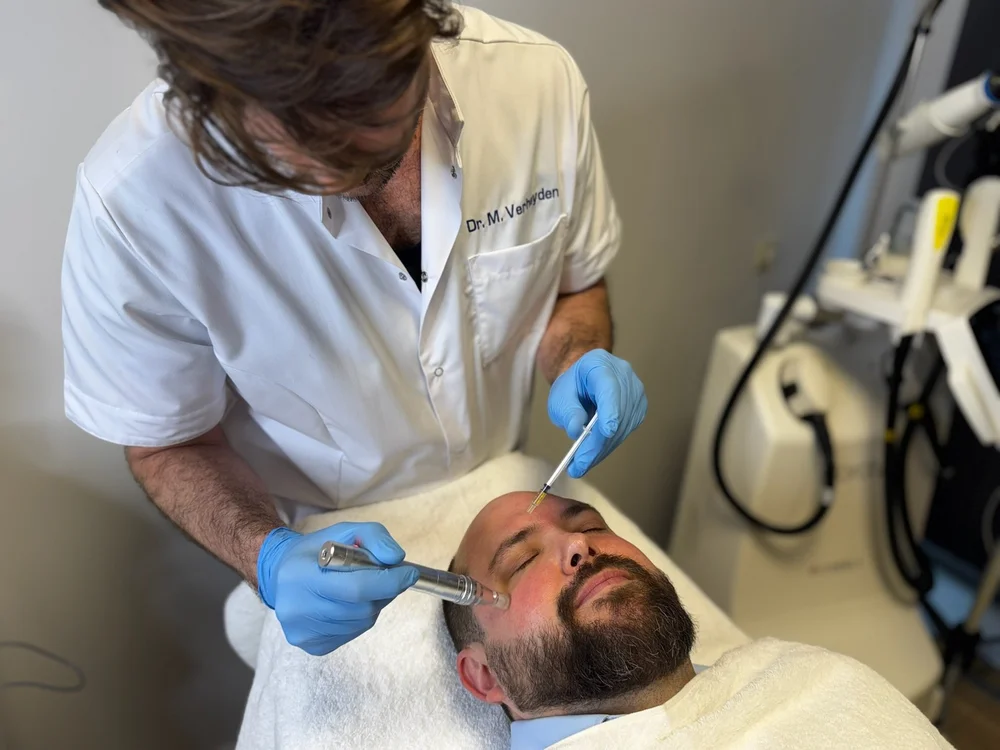
- Radiofrequency (RF): heats the tissue in depth and stimulates skin repair. Used to firm the skin and treat more superficial stretch marks. See also radiofrequency microneedling.
The treatment steps
- Prior consultation: medical diagnosis to check your eligibility and define the protocol.
- Skin preparation: cleansing of the area and, possibly, an anaesthetic cream.
- Session: application of the Frax 1550 laser or radiofrequency to the targeted areas. The duration depends on the surface to be treated.
- After the treatment: advice and personal medical follow-up.
Medical information provided by the Arsenal Esthetics team. Results vary from person to person.
Stretch mark treatment: risks and contraindications
We go through these points with you during the prior consultation. Always mention your current treatments, your medical history and a possible pregnancy.
Possible side effects
- Redness, swelling and sometimes small crusts for a few days.
- Less often: temporary hyperpigmentation, especially after sun exposure.
When this treatment is not suitable
- Pregnancy.
- Tanned skin or recent sun exposure.
- Skin infection in the area.
- Pacemaker, defibrillator or metal implant in the area (radiofrequency).
- Recent isotretinoin treatment.
Frequently asked questions: stretch mark treatment
Can stretch marks disappear completely?
No. They can be reduced, but not erased. The result depends on their age, their depth and your skin.
Red or white stretch marks: what is the difference?
Red or purple ones are recent and still active: they generally respond better. White ones are old and harder to treat.
Which technique is used?
The Frax 1550 laser to stimulate collagen in depth, or radiofrequency to firm the skin and treat more superficial stretch marks. The doctor chooses during the consultation.
Which areas can be treated?
The breasts, buttocks, abdomen and arms.
What does the treatment involve?
Medical consultation, cleansing of the skin and possibly a numbing cream, laser or radiofrequency session, then advice and personal medical follow-up.
Another question? Ask the secretariat or bring it to your consultation.Plan my consultation