Nordlys FRAX laser: non-ablative fractional laser
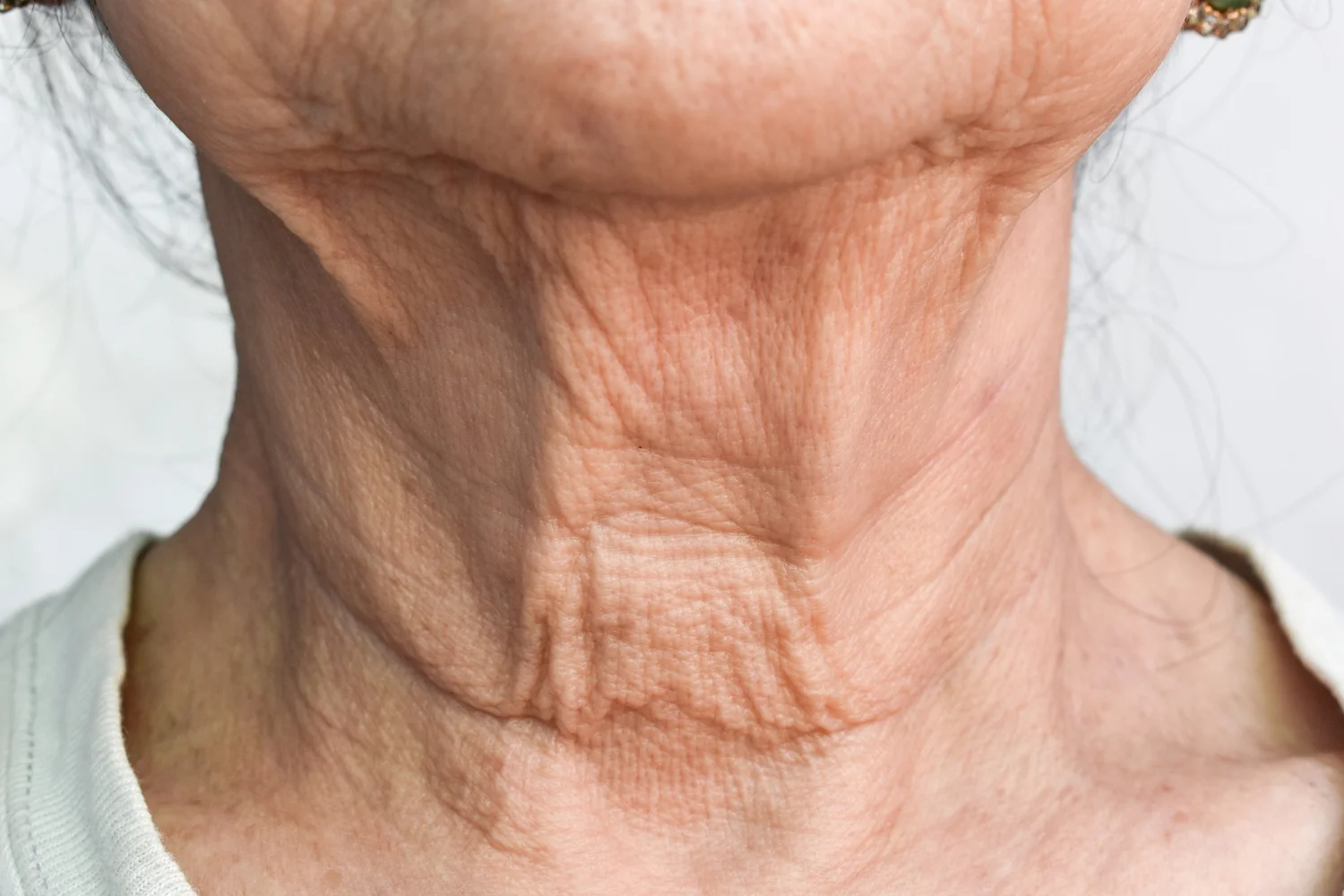
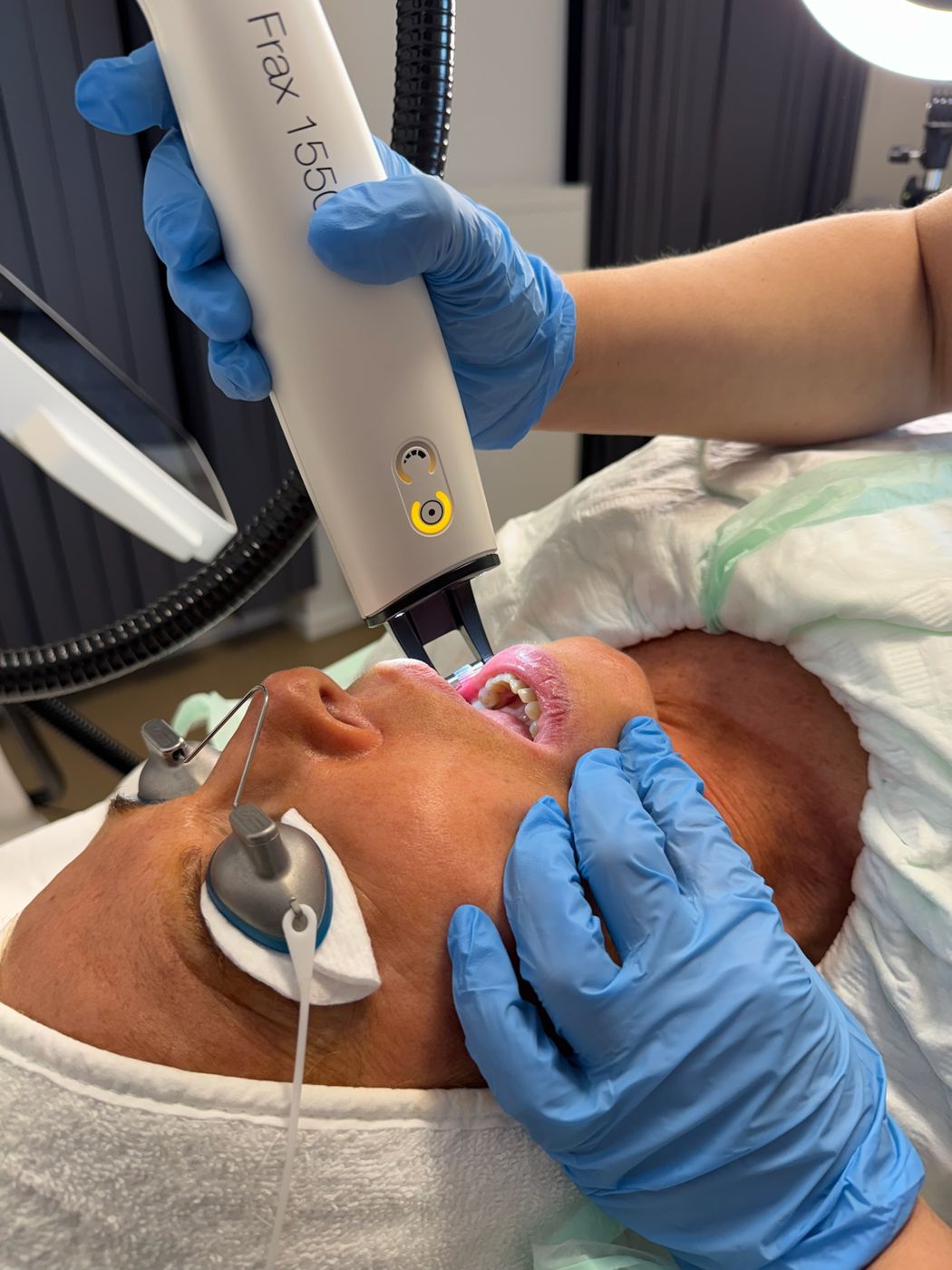
Wrinkles, scars, pigment spots or a dull, uneven complexion: we treat them with the Nordlys FRAX laser, a non-ablative fractional laser. Unlike ablative CO₂ lasers, the FRAX does not vaporise the skin: recovery is shorter, usually 3 to 5 days, while collagen and elastin production is stimulated. It is a gentler alternative to the CO₂ laser, with a lower risk of side effects.
This treatment always starts with a diagnostic consultation.
Areas
Face, Neck, Décolletage, Backs of the hands
Booking
After diagnostic consultation
Price
From €225
FRAX laser: how long is the recovery?
The Nordlys FRAX laser is non-ablative: it does not vaporise the skin. Recovery is usually limited to 3 to 5 days of redness or slight swelling, and make-up is usually allowed the next day. It stimulates collagen for wrinkles, scars, spots and a dull complexion, as a gentler alternative to the CO₂ laser.
In brief
- Two wavelengths: FRAX 1550 nm for the deeper layers (wrinkles, scars, pigment) and FRAX 1940 nm for the surface (complexion, superficial spots).
- Non-ablative: the skin surface stays intact.
- Recovery: usually 3 to 5 days of redness or slight swelling; make-up usually allowed the next day.
- Areas: face, neck, décolleté, backs of the hands.
- Prior medical consultation, with a protocol adapted to your skin.
What we do not promise: a result comparable to the CO₂ laser. The FRAX effect is more moderate and builds up gradually, over several sessions.
Want to know whether this treatment suits you?Plan my consultation
What does a Nordlys FRAX laser treatment involve?
At Arsenal Esthetics we offer the Nordlys FRAX laser, a non-ablative fractional laser. Unlike ablative CO₂ lasers, the FRAX does not vaporise the skin, which usually shortens recovery to 3 to 5 days, while stimulating collagen and elastin production.
The Nordlys FRAX laser in practice
- Non-ablative technology: small micro-columns are coagulated in the skin to stimulate cell renewal, while the skin surface stays intact.
- Limited downtime: slight redness or swelling for 3 to 5 days. Make-up is usually allowed the next day.
- Gentler: a gentler alternative to CO₂ lasers, with a lower risk of side effects.
The two wavelengths of the Nordlys FRAX
- FRAX 1550 nm: works in the deeper layers of the skin, indicated for wrinkles, scars, pigmentation and irregularities.
- FRAX 1940 nm: works closer to the surface, indicated for evening out the complexion, improving radiance and treating superficial pigment spots.
Both wavelengths can be combined with other treatments. Active ingredients such as vitamin C, hyaluronic acid and tranexamic acid may then penetrate better.
How a session works
- Personal consultation: a doctor examines your skin and draws up a tailored protocol.
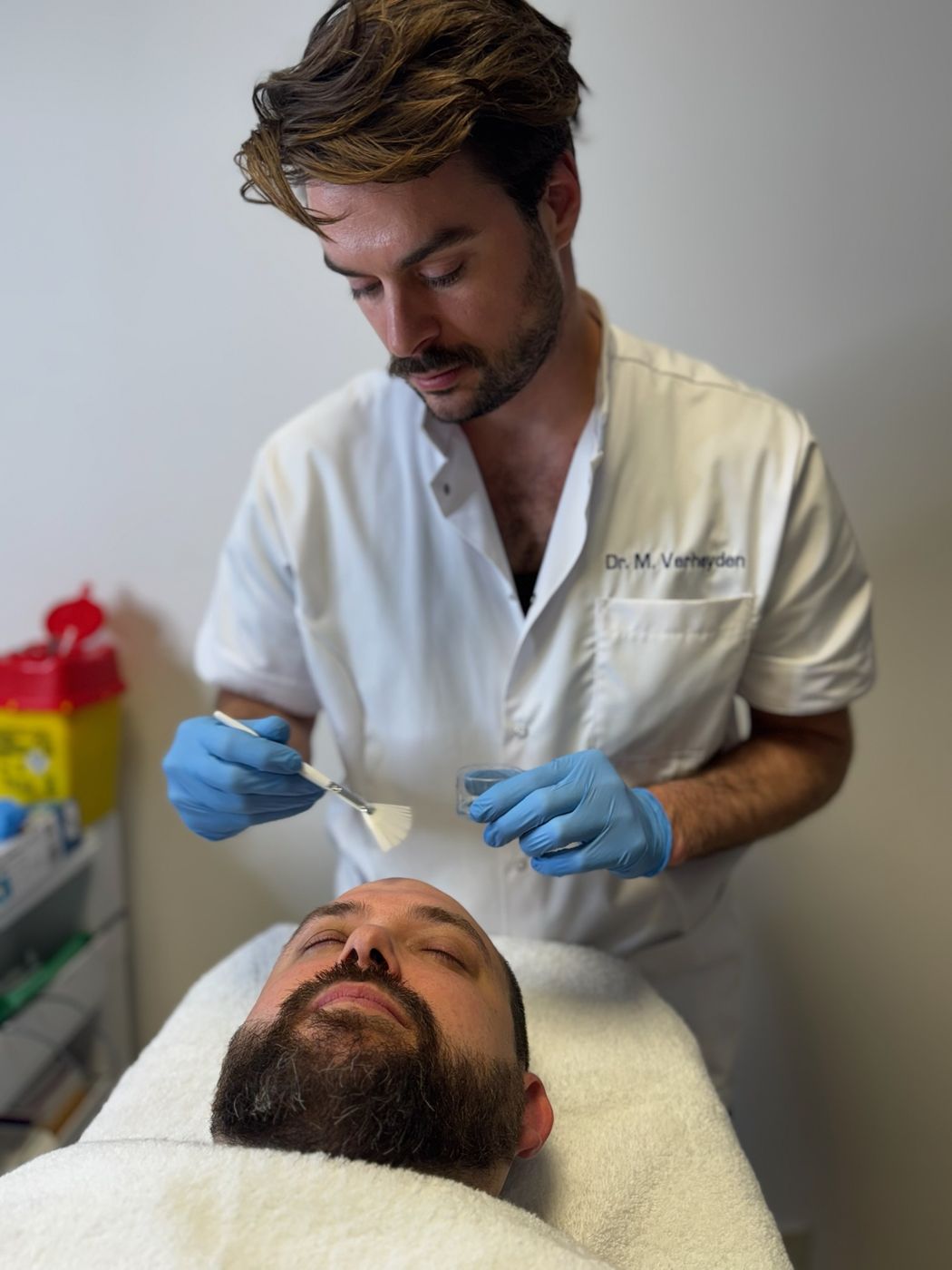
- Skin preparation: thorough cleansing and, if the indication requires it, an anaesthetic cream.
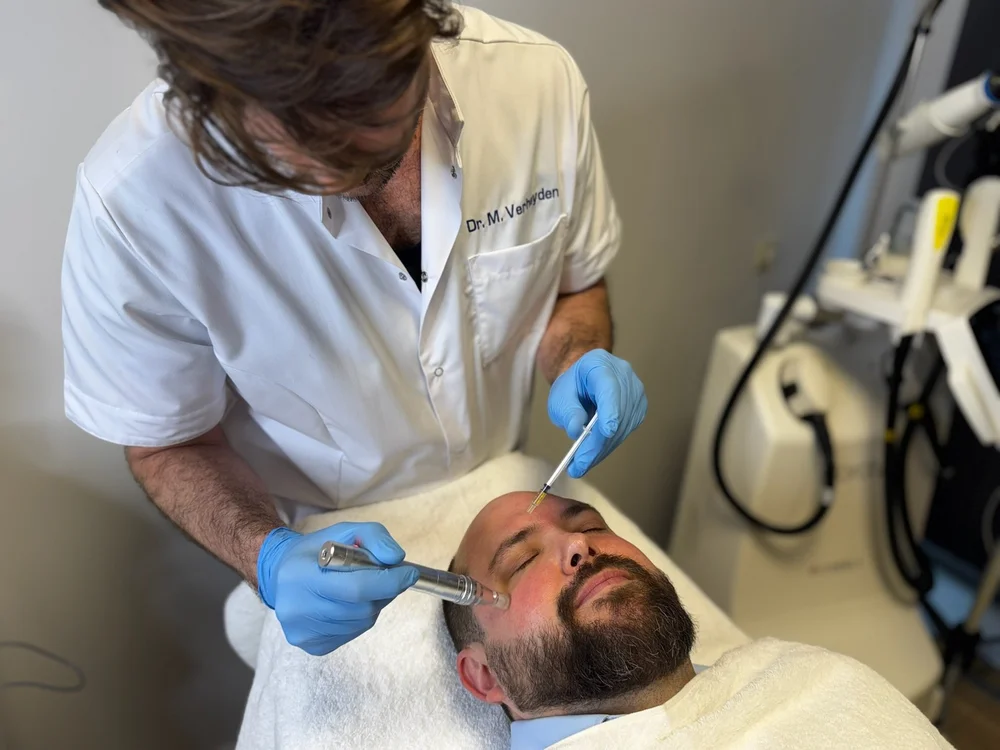
- Treatment: the laser feels like small pinpricks and warms the skin. Gentle air cooling is applied.
- After the treatment: a soothing cream is applied and you receive specific aftercare advice.
- Back to your activities: slight redness or swelling is possible for a few days, but make-up is usually allowed the next day.
Practical points
- A prior medical consultation, with a protocol set by a doctor
- The Nordlys FRAX laser, with two wavelengths (1550 and 1940 nm)
- A personal approach, tailored to your skin and your wishes
Medical information provided by the Arsenal Esthetics team. Results vary from person to person.
FRAX: risks and contraindications
We go through these points with you during the prior consultation. Always mention your current treatments, your medical history and a possible pregnancy.
Possible side effects
- Redness and slight swelling for 3 to 5 days.
- Temporary dryness or fine crusts.
- Less often: temporary hyperpigmentation, especially after sun exposure.
When this treatment is not suitable
- Tanned skin or recent sun exposure.
- Pregnancy, as a precaution.
- Skin infection or active herpes in the area.
- Recent isotretinoin treatment.
- History of keloid scars: caution, assessed during the consultation.
Frequently asked questions: FRAX
What does “non-ablative” mean?
The laser does not vaporise the skin surface. It coagulates small micro-columns deeper down to stimulate cell renewal and collagen, while the surface stays intact.
How many days of recovery?
Usually 3 to 5 days of slight redness or swelling. Make-up is usually allowed the next day, and social downtime is minimal.
How does it differ from the CO₂ laser?
The CO₂ is ablative: it vaporises tiny columns of skin, with 5 to 10 days of recovery and a stronger effect. The FRAX is non-ablative, gentler, with a lower risk of side effects.
For which skin problems?
Wrinkles, scars, pigment spots, pores and irregularities with the 1550 nm; dull complexion, lack of radiance and superficial spots with the 1940 nm.
Is it painful?
The laser feels like small pinpricks and heat. Air cooling is applied during the session and, depending on the indication, a numbing cream beforehand.
Can the FRAX be combined with active ingredients?
Yes. The micro-zones treated by the laser can enhance the penetration of ingredients such as vitamin C, hyaluronic acid or tranexamic acid.
Another question? Ask the secretariat or bring it to your consultation.Plan my consultation