Medical chemical peel: superficial (AHA) and medium (TCA)
A dull complexion, fine lines, pigment spots or enlarged pores may be improved with a tailored medical peel, in a strictly medical setting and adapted to your skin type. Acids are applied in a controlled way to remove the superficial layers of the skin and stimulate cell renewal. Before each peel, the skin is prepared at home with specific products, to limit the risk of side effects and optimise the result.
This treatment always starts with a diagnostic consultation.
Areas
Face, Specific areas
Booking
After diagnostic consultation
Price
From €160
Medical peel: superficial or medium, which one for me?
A superficial peel (fruit acids, salicylic acid or low-concentration TCA) suits dull skin, enlarged pores or minor imperfections. A medium peel (higher-concentration TCA) treats fine lines, spots and small scars, with a longer recovery. The choice is made during the medical consultation, after preparing the skin at home.
In brief
- Superficial peels (AHA, salicylic acid, low TCA) and medium peels (higher TCA); no deep peels, which require hospital follow-up.
- The skin is prepared at home before each peel, to limit side effects.
- Indications: dull skin, enlarged pores, fine lines, mild to moderate spots, superficial scars.
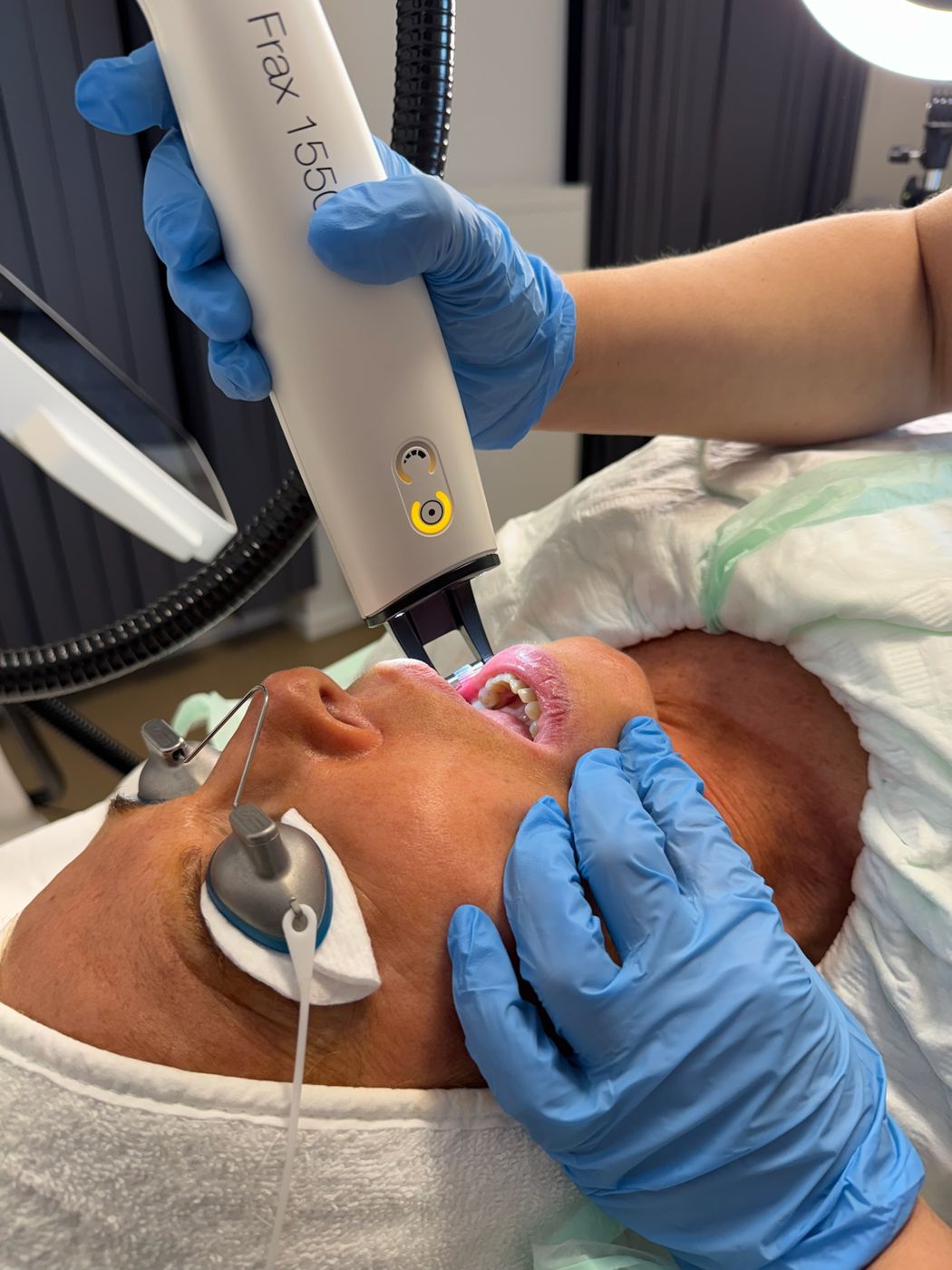
- Can be combined with the FRAX laser or medical LED.
- Prior medical consultation; protocol chosen according to your skin type.
What we do not promise: the complete disappearance of spots or scars. A peel can reduce them, often over several sessions.
Want to know whether this treatment suits you?Plan my consultation
What does a medical peel involve?
At Arsenal Esthetics we offer medical peels in a strictly medical setting, adapted to your skin type and your indication. Acids are applied to the skin in a controlled way, which removes the superficial layers. This stimulates cell renewal, which can help with a dull complexion, fine lines, pigment spots or enlarged pores.
Superficial, medium or deep peel: what is the difference?
Peels differ in intensity.
- Superficial peels (or gentle peels) remove a few surface layers of the skin. Mild acids are used, such as AHAs or fruit acids (glycolic, lactic or mandelic acid), salicylic acid or a low concentration of TCA (trichloroacetic acid). Indicated for dull skin, enlarged pores, minor imperfections or skin lacking radiance.
- Medium peels penetrate deeper and suit more persistent concerns: fine lines, pigment spots, sun damage or small superficial scars. They are performed with higher concentrations of TCA, with or without other acids.
- Deep peels are very intense and require medical follow-up in a hospital setting, with a longer recovery.
We work exclusively with superficial and medium peels.
Preparing the skin at home
Before each peel, the skin is prepared at home with specific products. This reduces the risk of side effects, accustoms the skin and optimises the result.
Common indications
- Dull, tired skin
- Enlarged pores or excess sebum
- Fine lines or first wrinkles
- Mild to moderate pigment spots
- Superficial scars, including acne scars
- Redness or sensitive skin, with an adapted formula
Depending on the acid or protocol chosen, a peel can be used for these indications.
How a peel works
- Medical consultation: skin analysis, medical history and choice of the right protocol.
- Skin preparation: thorough cleansing, possibly an anaesthetic cream.
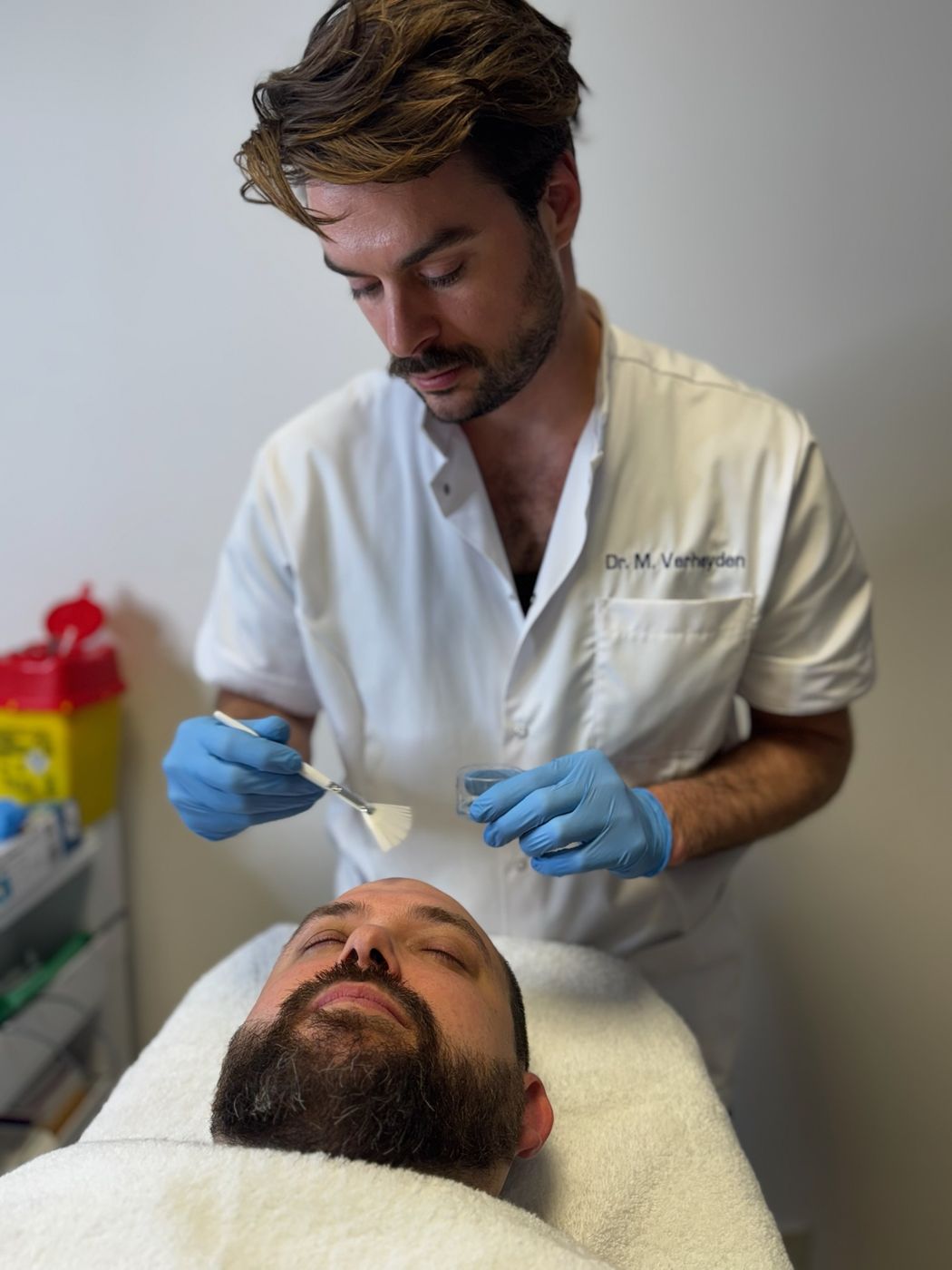
- Applying the peel: applied in a controlled way to the face or specific areas.
- Neutralisation: the action is stopped, followed by soothing care.
- Post-peel care: personal advice on recovery, hydration and sun protection.
Possible combinations
- FRAX laser: boosts skin renewal and works on pigment or scars.
- Botulinum toxin: a peel can be combined with botulinum toxin injections, if medically indicated.
- Medical LED: may support recovery and reduce redness.
Practical points
- Personalised medical protocols for every skin type
- Only superficial and medium peels, after preparing the skin at home
- Treatments performed exclusively by doctors or trained nurses
- Follow-up after every peel
- Combinations possible with the FRAX laser or LED
Medical information provided by the Arsenal Esthetics team. Results vary from person to person.
Chemical peel: risks and contraindications
We go through these points with you during the prior consultation. Always mention your current treatments, your medical history and a possible pregnancy.
Possible side effects
- Redness, tightness and peeling for a few days, longer after a medium peel.
- Increased sun sensitivity for several weeks.
- Less often: temporary hyperpigmentation, especially on dark skin or after sun exposure.
- Possible reactivation of herpes, especially after a medium peel.
When this treatment is not suitable
- Pregnancy or breastfeeding, as a precaution.
- Isotretinoin treatment in the last six months.
- Active herpes, wound or infection in the area.
- Tanned skin or recent sun exposure.
- History of keloid scars.
Frequently asked questions: chemical peel
What is the difference between a superficial, medium and deep peel?
A superficial peel removes a few surface layers with mild acids. A medium peel penetrates deeper with higher-concentration TCA. A deep peel is very intense and requires hospital follow-up: we do not perform it.
Why prepare the skin at home?
Specific products applied before the peel get the skin used to it, reduce the risk of side effects and optimise the result.
For which skin problems?
Dull skin, enlarged pores or excess sebum, fine lines, mild to moderate pigment spots, superficial scars, including acne scars. For sensitive skin or redness, an adapted formula exists.
What happens during a peel?
Medical consultation, cleansing of the skin, controlled application of the peel, neutralisation, then soothing care and advice for recovery and sun protection.
Can a peel be combined with another treatment?
Yes: with the FRAX laser to enhance skin renewal, with botulinum toxin injections if medically indicated, or with medical LED to support recovery.
Is a peel suitable for dark skin?
Yes, with an adapted protocol: on dark skin, the risk of spots after a peel is higher. The doctor chooses the acid and concentration accordingly during the consultation.
Another question? Ask the secretariat or bring it to your consultation.Plan my consultation